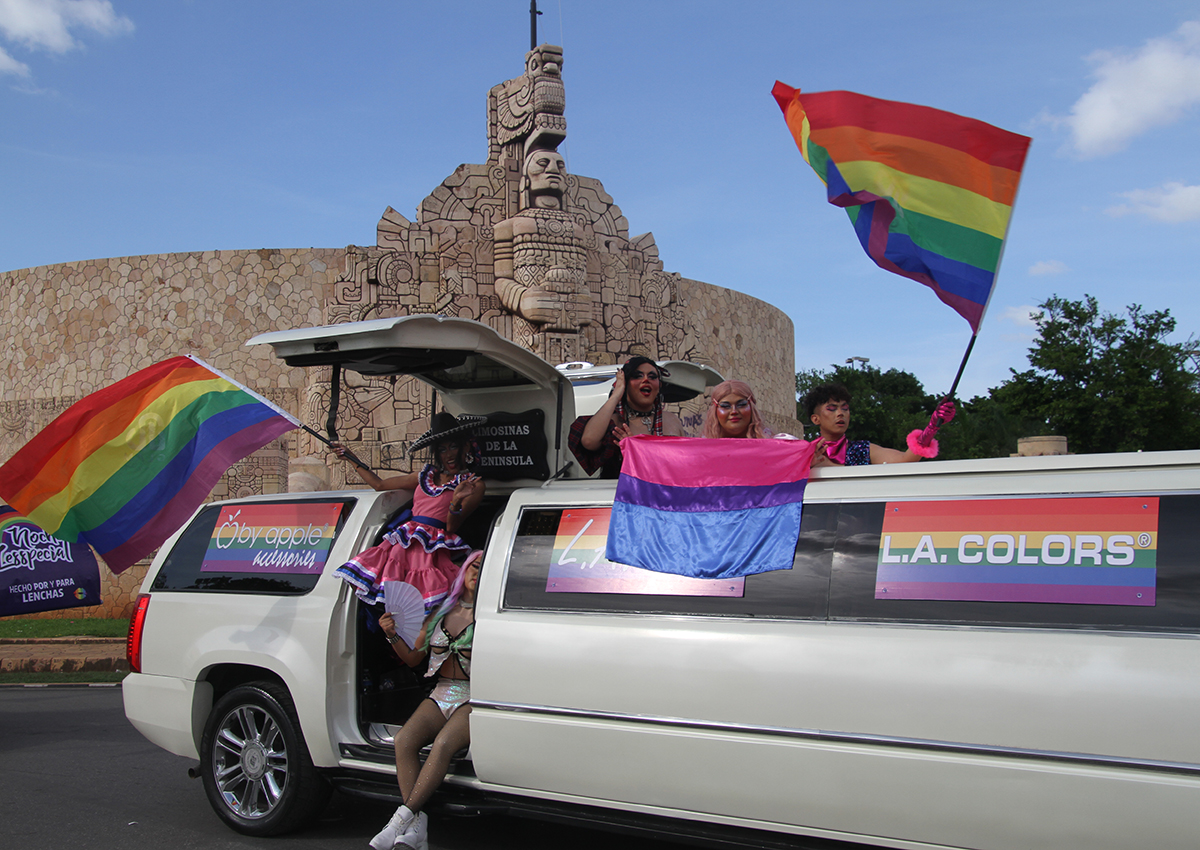
The transformation has been nothing short of remarkable. In a region long known for traditional Maya culture and colonial conservatism, Mexico’s Yucatán Peninsula is fast becoming one of Latin America’s most LGBTQ+-friendly destinations.
The latest milestone came in July when Isla Holbox made history as the first destination in Quintana Roo to receive the prestigious “Queer Destinations” certification. This international recognition, awarded in collaboration with the International LGBTQ+ Travel Association, validates that a destination has adopted practices of inclusion, hospitality, and respect toward people of sexual diversity.
“The certification positions Holbox not only as a natural paradise with pristine beaches and rich biodiversity, but also as a progressive destination in human rights and social responsibility,” said Christian Stenta, president of the Holbox Hotel Association, during the certification ceremony.
The economic implications are substantial. The global LGBTQ+ tourism market is expected to grow from $296.8 billion in 2023 to $634.9 billion by 2033, representing an annual expenditure of $4.7 trillion worldwide. For small island destinations like Holbox, located about 150 kilometers (93 miles) from Cancún, this certification opens doors to a lucrative and loyal tourist segment.
But Holbox’s achievement reflects broader changes across the peninsula. In Mérida, the Yucatán state capital, Pride celebrations have exploded from barely 1,000 participants a decade ago to over 20,000 in 2024. Organizers project 25,000 participants for the 2025 march, making it one of Mexico’s largest Pride events outside major metropolitan areas.
“No turning back, diversity advances,” reads the slogan for Mérida Pride 2025, which will take place on June 7. The celebration has grown so large it now dominates the city’s historic Paseo de Montejo, transforming the grand boulevard into a rainbow-colored spectacle that would have been unimaginable just years ago.
The legal landscape has shifted dramatically too. Yucatán state legalized same-sex marriage in October 2021, with the measure passing 20 votes in favor and five against. Previous attempts had failed twice, most recently in 2019, making the eventual success all the more significant for local activists.
“This has been a milestone year for Yucatán’s LGBTQ+ community,” noted local advocates, though they emphasize much work remains, particularly regarding transgender rights.
Beyond the headlines, grassroots changes are reshaping daily life. In Mérida’s parks, LGBTQ+ community members have created “Bazaritas” – outdoor markets that serve as safe spaces for queer vendors and their allies. The markets, first held in May to coincide with the International Day Against Homophobia, Transphobia and Biphobia, offer everything from handmade crafts to local foods.
“Besides being an opportunity for LGBTQ+ to sell a variety of products, these markets seek to normalize the visibility of our community in public spaces and fight prejudice,” explained Muñeca Aguilar Martínez of Comando Trans Interseccional.
Vendors report mostly positive reception from the public, though they occasionally face hateful comments – a reminder that progress comes with ongoing challenges.
The transformation extends beyond major cities. Smaller communities like Valladolid, Ticul, and the port city of Progreso now host their own Pride celebrations. Even tiny Chelem, a fishing village on the Gulf coast, holds an annual LGBTQ+ Pride March that draws hundreds of participants.
Mexico played a pivotal role in the Queer Destinations certification program’s development. In 2019, the organization partnered with Mexico’s Ministry of Tourism to implement LGBTQ+ inclusivity training across the country, making Mexico the first nation to adopt the certification system. Yucatán was among the early adopters, joining the initiative in 2020.
The peninsula’s evolution reflects broader changes across Latin America, where countries from Argentina to Colombia have made significant advances in LGBTQ+ rights over the past two decades. However, Yucatán’s transformation is particularly striking given its traditional reputation for conservatism.
For LGBTQ+ travelers seeking Caribbean beaches with a progressive twist, the Yucatán Peninsula now offers something unique: a destination where ancient Maya traditions, colonial architecture, and modern inclusivity create an experience found nowhere else in the world.
Sources: Yucatán Magazine reports on Holbox certification and Mérida Pride, Washington Blade coverage of Latin American LGBTQ issues, Queer Destinations certification data, local activist quotes from regional media coverage.
Leave a Reply